
Evaluating a Cell Tower Lease Buyout Offer
If you’ve received an offer to buy out your cell tower lease, you’ve likely also received a healthy dose of high-pressure sales tactics. The buyout company’s goal is the same: to buy your future rental stream at the lowest possible price. For 20 years, we’ve pulled back the curtain. We don’t work for carriers or buyout companies. We work for you.
Years Advising Landowners
Transactions Brokered
Leases in Database
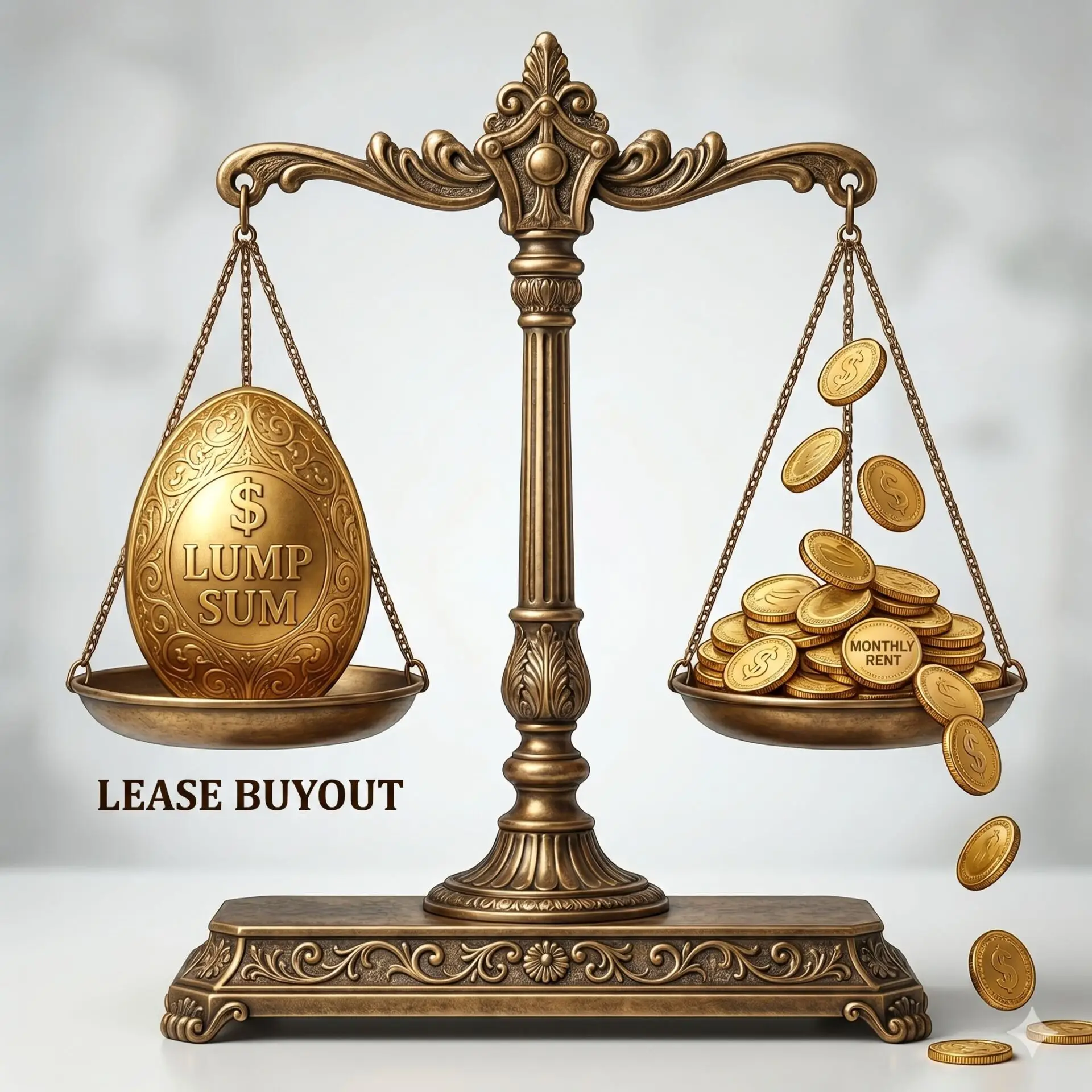
Before you sign an “Assignment of Rents” or a “Perpetual Easement,” you need to understand the true market value of your asset — not just the number that makes a sales agent’s commission.
01
Valuation: It's More Than Just a "Multiple"
Many offers include a revenue share component that promises you a percentage of future rent if a new tenant is added. We’ve tracked thousands of these proposals. The truth is blunt:
The Factors We Weigh
- Who is the tenant? Subtenants?
- What type of structure or site?
- How much time is left on the lease?
- If your lease is undervalued?
- Is your lease too expensive and at risk of termination?
- Is there a Right of First Refusal?
Before you respond to any offer, run the numbers.
Our free Lease Buyout Calculator lets you compare any lump-sum offer against the present value of your lease income — using your own assumptions about lease longevity and risk.
02
Identify the Red Flags & Scare Tactics
Most landowners are told their lease is worth a certain multiple of annual rent (17x, 18x). This is a massive oversimplification. At SITA we value leases based on risk and utility.
Questions Answered
- Is that “final offer” really final?
- Is your site actually at risk of decommissioning?
- Why “limited time” offers are a psychological trap.
- No. Satellites, small cells, and industry belt-tightening are not making your site obsolete.
03
The Revenue Share "Smoke and Mirrors"
Many offers include a revenue share component that promises you a percentage of future rent if a new tenant is added. We’ve tracked thousands of these proposals. The truth is blunt:
Key Insight
Unless the buyer has a specific, contractually obligated plan to add tenants (and most don’t), these are laughable projections used to inflate the perceived value of a low-ball offer. For leases with tower companies, the tower company already markets the site. For rooftop leases, wireless carriers not on your roof can easily see that your roof is leased and are more likely to contact you directly.
04
The Transaction — The Devil Is in the Details
How you structure the deal matters as much as the price. A quickly signed LOI can cloud your title, cost you tax benefits, or double your closing timeline. Having brokered $100M+ in buyouts, we know the deal is won or lost in the Letter of Intent.
What the LOI Must Address
- Taxation — capital gains vs. ordinary income, 1031 eligibilit
- Closing timeframe and mutual obligations
- Right of First Refusal — existing and new
- SNDA — your lender can block the sale
- Fees — who pays what
05
The Steel in the Air Advantage
The “missing link” for most landowners is knowing when to push back and when to stop. This is where professional site utility analysis—not AI—is required to assess if the carrier has a viable “Plan B.”
Independent Data
Proprietary database of 17,000+ leases.
Zero Conflict
We don't buy leases. No double-dipping.
Full Transparency
We manage the paperwork war with your attorney.
Smooth Transactions
We know which buyers retrade. You don't have to learn.
Best Deal Terms
We know which buyers retrade. You don't have to learn.
Questions Every Landowner Considering A Lease Buyout Should Ask
What exactly is a cell tower lease buyout?
A lease buyout is a transaction where someone pays you a lump sum in exchange for the right to collect your future cell tower rent. That’s it. You keep the property. You keep the obligations under the lease. You just stop receiving rent.
There are three flavors, and understanding which one you’re dealing with matters:
Third-party buyout. A company with no connection to the lease contacts you to buy your rental stream. These are financial firms — Landmark Dividend, Unison, TowerPoint, and dozens of others. They aggregate leases into portfolios and resell them. Their first offer is almost never their best.
Tenant buyout. The company already leasing your property — American Tower, Crown Castle, SBA, Vertical Bridge — offers to buy the lease. They want to convert a recurring expense into a one-time capital cost and lock down long-term control of the site. Tenant buyouts typically pay more than third-party offers because the tower company eliminates a business risk.
Optimization-company-as-agent. A company like Md7 or BlackDot contacts you on behalf of the tower company or carrier. They may also propose a rent reduction alongside a buyout offer. This is functionally a tenant buyout dressed up to look like an independent offer. The agent gets a commission. You should treat it accordingly.
Knowing which type of buyer you’re dealing with changes the negotiation dynamics, the pricing, and the terms you should expect.
Should I sell my lease or keep collecting rent?
There’s no universal answer. It depends on your situation. Here are the scenarios where we’ve seen it make sense to sell — and the ones where it doesn’t.
Consider selling if:
- You need capital now — to pay off debt, fund a property improvement, cover a life event, or make a different investment. The lease is an asset. Monetize it like one.
- You’re planning to sell the underlying property. Traditional buyers of commercial property don’t pay the same amount for a cell tower lease that specialized buyout companies will. In most cases, you’re better off selling the lease separately and the property separately. You effectively sell the property twice.
- Your lease is at higher risk of termination. If you’re on a single-carrier site with an expiring lease, or the carrier has been through a merger (think Sprint/T-Mobile), selling transfers the termination risk to someone else.
- You’re sick of the calls. Some landowners just want to be done. That’s a valid reason.
Think twice about selling if:
- Your lease expires in less than 7 years. At that point, you likely have an opportunity to renegotiate at a significantly higher rate. Selling now means the buyout company captures that upside — not you. Renegotiate first, then sell if you still want to.
- You own the tower and the leases are collocation leases. Selling the collocation revenue means you keep all the operating expenses (insurance, maintenance, property tax) but lose the income. That’s almost never a good trade.
- The tower is in the way of future development. A buyout encumbers your property for decades. If there’s any chance you’ll want to redevelop the site, keep the lease as-is and don’t extend or sell.
- You’re being pressured. If someone is telling you it’s “now or never,” it’s not. The buyout companies will be there next month, next quarter, and next year. See our Red Flags & Scare Tactics spoke for more on this.
How will selling my lease affect my property value?
When you sell a lease via an easement or assignment, any future buyer of your property takes it subject to that encumbrance. The practical impact: the next owner has a cell tower on the property but receives no income from it. That reduces what they’ll pay.
However, in most cases, you come out ahead by selling the lease separately. Specialized buyout companies will pay more for the lease than a traditional real estate buyer would add to their purchase price for the tower income. So the combined proceeds — property sale price plus lease sale price — typically exceed what you’d get selling the property with the lease still intact.
The exception is when the tower’s location would interfere with future development. If you or a buyer wants to redevelop the site, the easement becomes a serious impediment. In those cases, don’t sell the lease — you’re better off keeping it and letting it expire naturally.
What happens to my lease after the lease buyout company buys it?
Not all lease buyout companies plan on keeping your lease. They aggregate individual leases into portfolios — sometimes hundreds at a time — and resell them, often to the same tower companies (American Tower, Crown Castle, SBA) that are already the tenants. Some sell to investment banks or infrastructure funds. The lease gets securitized and packaged like any other financial instrument.
This is important context because it tells you something about pricing. The buyout company’s first offer needs enough margin for them to resell at a profit. That’s why initial offers are almost always below fair market value. They’re not buying your lease to hold it forever. They’re buying it to flip it.
This is also why we tell our clients: if the tower company will pay more than the third-party buyout company, sell to the tower company directly. Cut out the middleman. We can help you determine which path gets you the most money.
I purchased a property with a cell tower but I am not receiving any rent. What can I do?
One thing that surprises us: the number of people who buy property and then call us wondering why they’re not receiving cell tower rent. In almost every case, the previous owner sold the lease, and the easement was right there in the title report. If you’re buying a property with a tower, read the title report carefully. If you have already bought the property, check your title report to see if there is a perpetual or long term easement listed- that may be the sale of the lease by the prior property owner.
If the previous property owner failed to disclose their prior sale of the lease, or claimed you would get the income from the lease, you might be able to seek damages. But you would need a local attorney to help you file a lawsuit. That’s not something we can help with.
If you are considering buying land with a cell tower lease, please see our guide to “Buying a Property with a Cell Tower.“
### Looking for more practical answers on cell tower lease buyouts? If you have deeper questions regarding what makes leases worth more or less, how lease buyout companies compare, and other important questions, consult our complete Cell Tower Lease Buyout FAQ.
Don't leave five or six figures on the table by accepting the first offer in your mailbox.
Contact us today for an unbiased, expert evaluation of your buyout proposal.