
Starlink Mobile Today
SpaceX, the company behind Starlink satellite internet, wants to become a cell phone carrier that competes with AT&T, Verizon and T-Mobile. Its service is called Starlink Mobile. Over the past few months, SpaceX has spent billions of dollars on wireless spectrum and has reportedly talked with tower companies about leasing space on as many as 80,000 cell sites.
For landowners, building owners and private tower owners, that sounds like a new tenant is on the way. We understand the excitement, especially after losing DISH. But based on what we know today, Starlink isn’t a real tenant yet, and we don’t recommend making lease or sale decisions based on it.
Satellites vs. Cell Towers
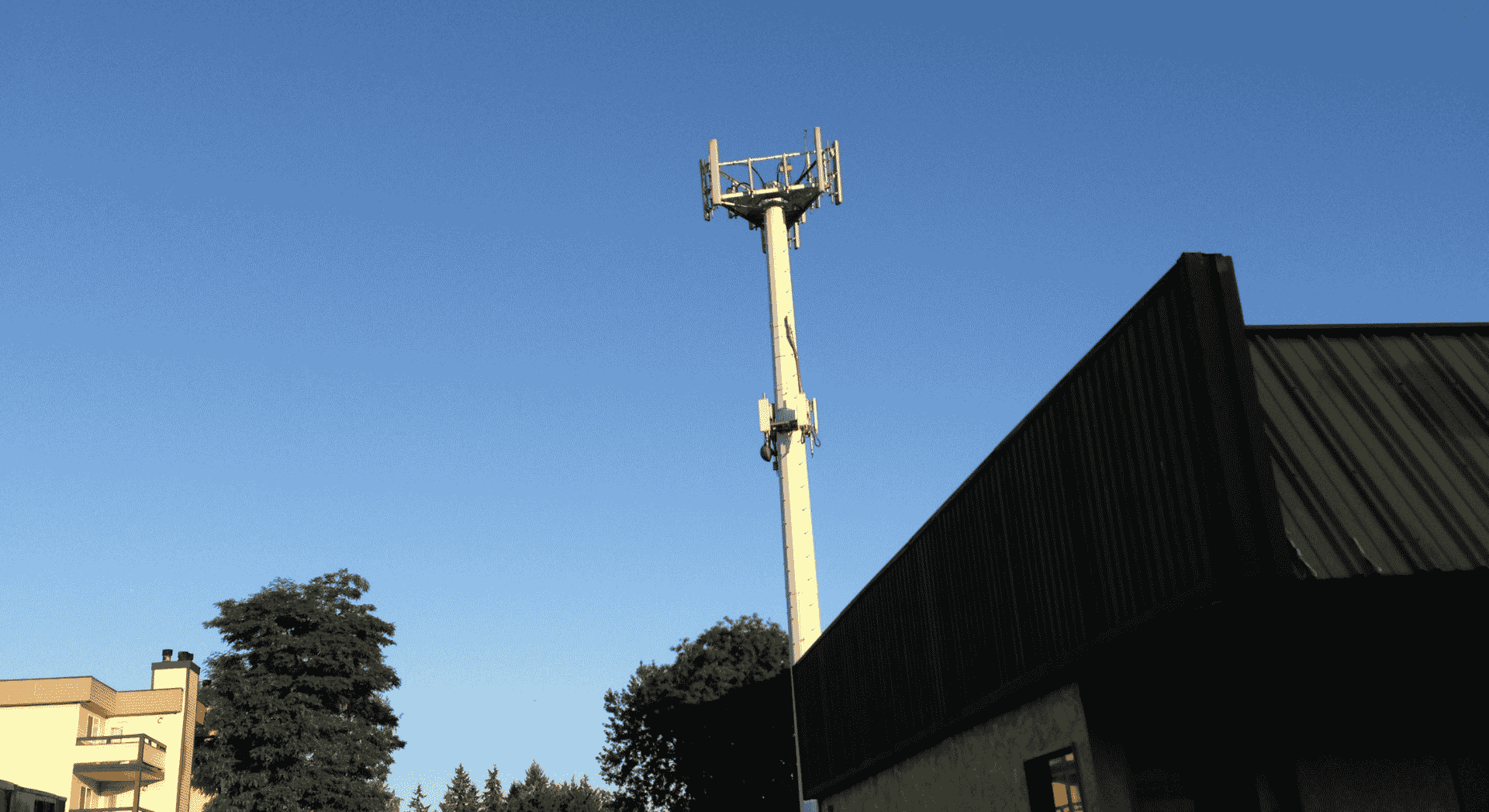
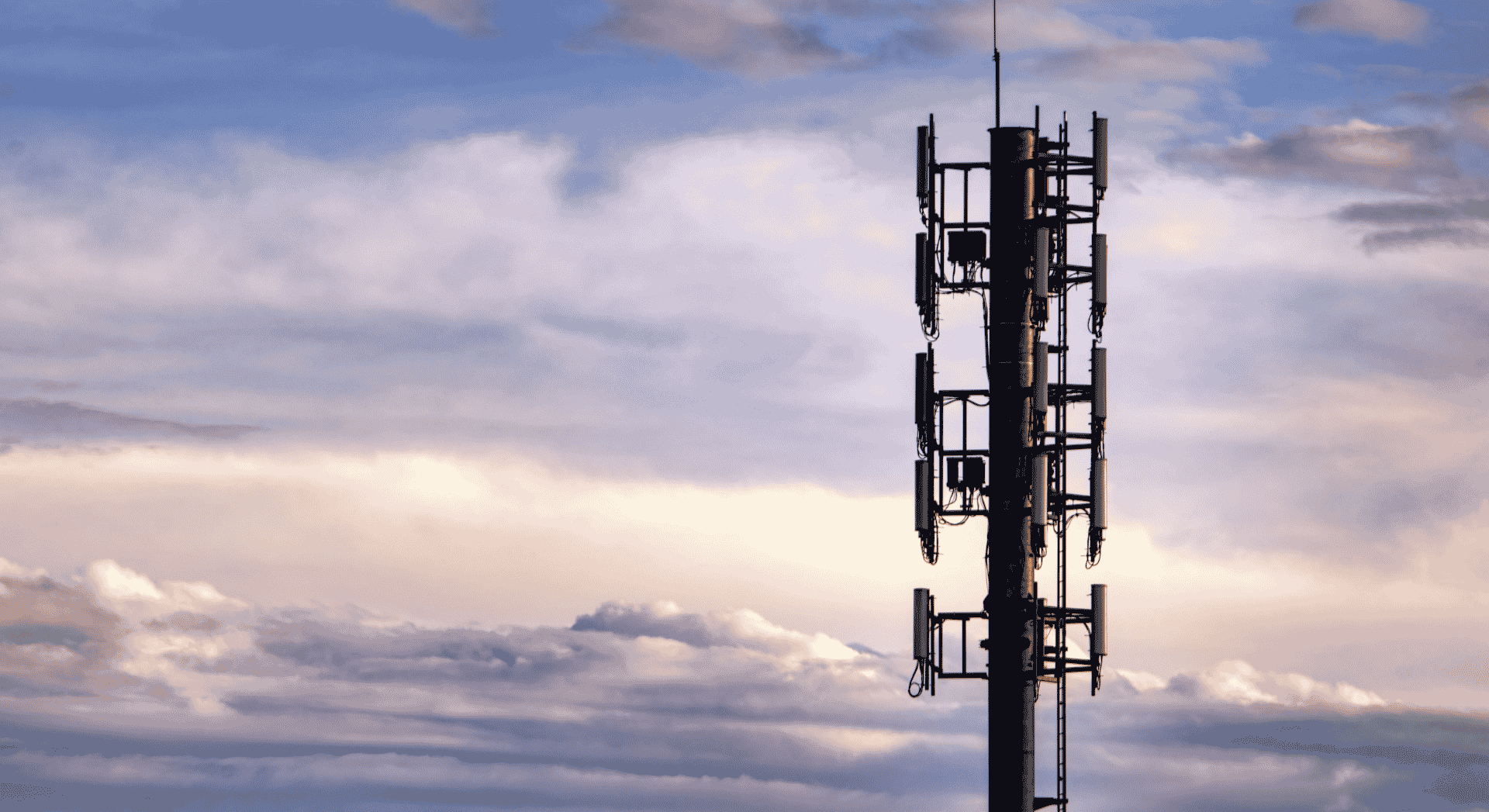
Traditional cell service, the kind AT&T, Verizon and T-Mobile provide, connects your phone to antennas on a tower or rooftop a few miles away. Because the antennas are close, the signal reaches inside buildings, and each site can serve a large number of users at once.
Satellite-to-phone service (often called “direct-to-device” or D2D) connects your phone directly to a satellite hundreds of miles overhead. Starlink already offers this through T-Mobile’s T-Satellite service. It’s great for coverage on remote roads and in the backcountry, but it works best outdoors, struggles inside buildings, and can only serve a limited number of users in an area. T-Mobile has said satellite traffic is a tiny fraction of a percent of its total network usage.
In short, satellites are good at reaching everywhere, and towers are good at serving lots of people, especially indoors. That’s why Starlink can’t rely on satellites alone if it wants to compete with the big three carriers.
Contact Us
What Starlink Has Done So Far
SpaceX bought about $17 billion of spectrum from EchoStar (DISH’s parent company) and agreed to buy 800 MHz spectrum from Grain Management, reportedly for about $8 billion. This “low-band” spectrum travels farther and gets inside buildings better. The Grain purchase still needs FCC approval. The FCC has also approved 15,000 new Starlink satellites, and SpaceX expects to launch its upgraded service in early 2028.
On the ground, SpaceX first described placing small antennas alongside Starlink internet dishes already installed on homes and businesses. Then, in October, Bloomberg reported that SpaceX was in talks to access at least 80,000 cell sites, including with Crown Castle. In early November, Inside Towers reported that SpaceX had sent a request for information to contractors, site acquisition firms and tower owners, and was already seeking leases in Southern California as a test market. We have not been able to confirm those details elsewhere, and no lease agreement has been announced.
Is Starlink Serious?
Possibly. But there are good reasons for skepticism.
We are skeptical that Starlink builds 80,000 macrocells. Starlink already covers rural areas by satellite, so it shouldn’t need anywhere near that many full macrocells. Perhaps the figure includes small cells and the rooftop antennas mentioned above.
There’s also a strategic angle. The fastest and cheapest way for Starlink to offer full cell service is a wholesale deal with an existing carrier, known as an MVNO (mobile virtual network operator) agreement. Under an MVNO deal, Starlink would sell service under its own brand while its customers’ calls and data run over AT&T’s, Verizon’s or T-Mobile’s network, much as DISH’s Boost Mobile customers did. So far, all three carriers have refused. Buying spectrum puts pressure on them, and talking about 80,000 sites and sending out requests for information add to that pressure at relatively little cost for a company of SpaceX’s size. If one of the carriers agrees to an MVNO deal, Starlink’s need for its own towers drops sharply. SpaceX may also simply be gathering information to decide how much it really needs to build and what it will cost to do so.
Even if Starlink is serious, a nationwide ground network takes years and tens of billions of dollars. Analysts at TD Cowen put the cost at more than $80 billion.
Impact on Landowners and Building Owners
For now, Starlink doesn’t change the value of your existing leases, up or down. Don’t turn down a reasonable lease extension or buyout offer because you think Starlink is coming. And don’t accept a lowball offer from a buyer who claims satellites will make your tower obsolete. The exception might be for leases in very rural areas. Those might deserve additional review.
If Starlink does build on towers, it will most likely focus on metro and suburban sites, and most landowners won’t deal with Starlink directly. Starlink would sign with the tower company, and whether you receive any additional rent depends on your lease language. Many older leases pay the landowner nothing for added tenants.
If you have a DISH lease, Starlink may take a look at some former DISH sites, since it bought much of the spectrum DISH used. But DISH’s leftover equipment isn’t a ready-made network, Starlink doesn’t need DISH’s coverage, and DISH paid less rent than the big three carriers. Don’t assume your site will be put back to work.
Impact on Private Tower Owners
Starlink isn’t a real tenant yet, and tower buyers know it. Buyers aren’t accounting for Starlink in their purchase offers, so don’t expect it to add value to your tower today. Likewise, don’t hold off leasing space to another tenant because you’re saving room for Starlink.
If Starlink or one of its contractors contacts you about your tower or rooftop, reach out to us to discuss their proposal before quoting rent or signing anything. Industry executives are already questioning whether SpaceX will pay going rates over the long term. And be wary of buyers who use Starlink in their pitches, whether as a reason your tower will be worth more later or as a reason towers are becoming obsolete. Either way, the pitch ends with “sell now.” If you’re considering a sale now, a proper tower valuation matters more than the headlines.
PROS
- Possible new tenant on metro and suburban towers and rooftops
- Possible amendment and ground space requests, which are an opportunity to negotiate
CONS
- No signed leases or known rents
- Rural sites are the least likely to benefit
- Many leases don’t pay landowners for added tenants
Starlink Mobile at a Glance
| Starlink Mobile | |
|---|---|
| Parent Company | SpaceX |
| Current Service | Satellite texting and limited data, sold through partners like T-Mobile |
| Spectrum | EchoStar (~$17 billion, FCC approved); Grain 800 MHz (reportedly ~$8 billion, pending FCC approval) |
| Planned Launch | Upgraded service expected early 2028 |
| Tower Leases | None announced; talks reported with Crown Castle and others |
| Carrier Deals | None; AT&T, Verizon and T-Mobile have declined |
| Lease Value | Unknown - too early to tell |
Partner with Steel in the Air
Whether you’ve been contacted about Starlink, have a DISH lease, or are weighing a lease extension or buyout offer, Steel in the Air can help. We work only for property owners and tower owners, never for carriers or tower companies, and we’ve spent over two decades advising clients on lease negotiations, lease buyouts and tower valuations.
Please note that we are not affiliated with Starlink or SpaceX, and we do not market rooftops or towers or help property owners find tenants. Please do not contact us asking how to get Starlink to lease your rooftop or tower. If Starlink or one of its representatives contacts you with a proposal, we’re happy to help you evaluate it.