| Anatomy
of a cell phone tower.
A cell phone tower consists of multiple
parts, most of which are owned by different companies.
Typically a cell phone tower is built either by a tower
company or a wireless carrier looking to expand their
network coverage.
Many inquiries that we receive actually
confuse a tower with the antenna that are placed on
a rooftop. "We have two towers on our roof".
What they mean to say is that we have two sets of antenna
on our roof.
A cell phone tower consists of the following
parts:
1. The Tower- There are four different
types of towers.
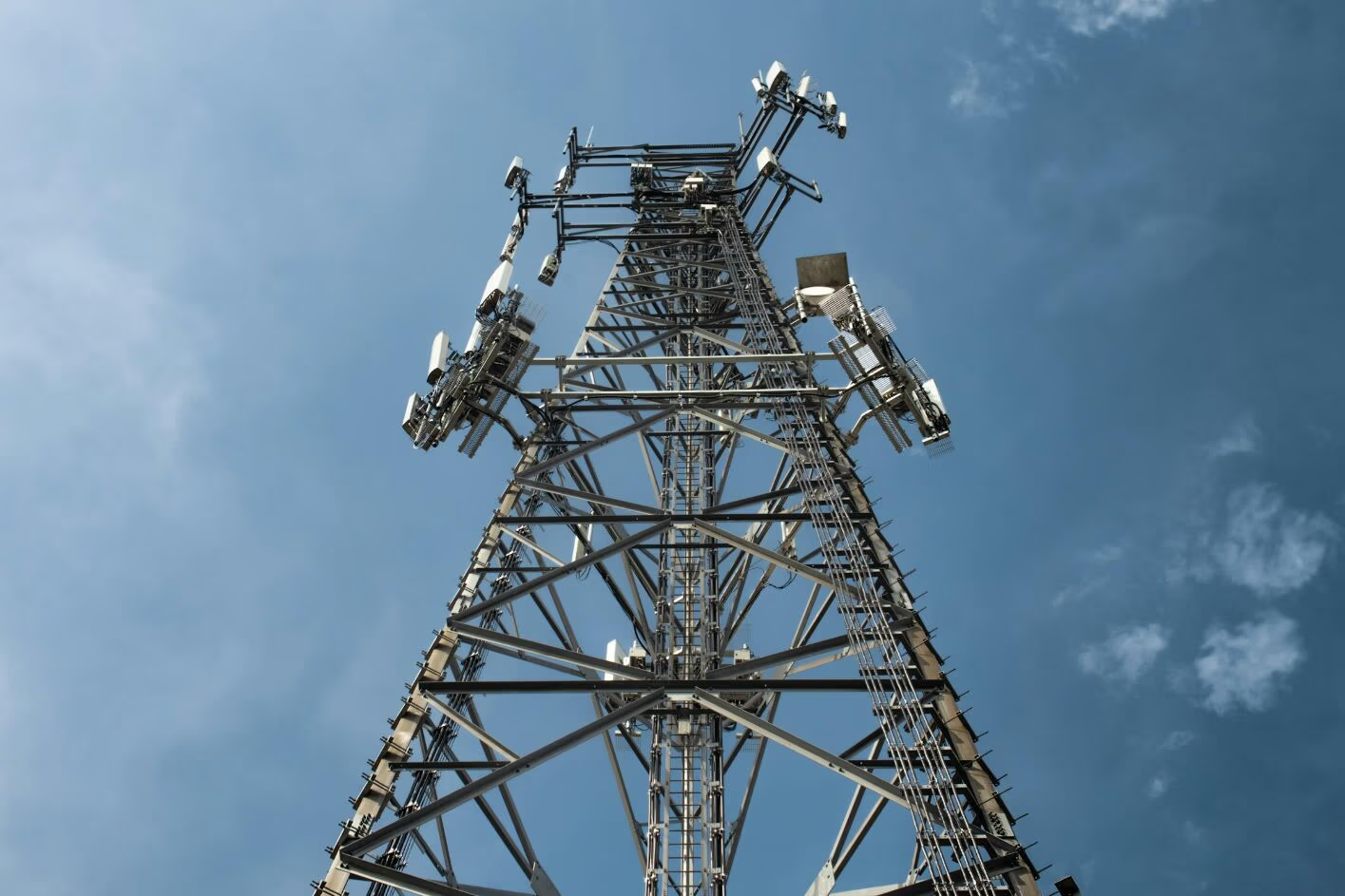
A. Lattice
Tower- also referred to as a self-support tower
or SST, the lattice tower affords the greatest flexibility
and is often used in heavy loading conditions. A lattice
tower is typically three sided and has a triangular
base, however there are some four sided lattice towers.
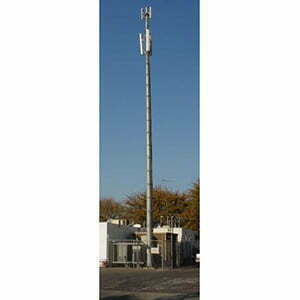
B. Monopole Tower- A monopole tower
is a single tube tower. It requires one foundation
and typically don't exceed 200'. The antennas are
mounted on the exterior of the tower.

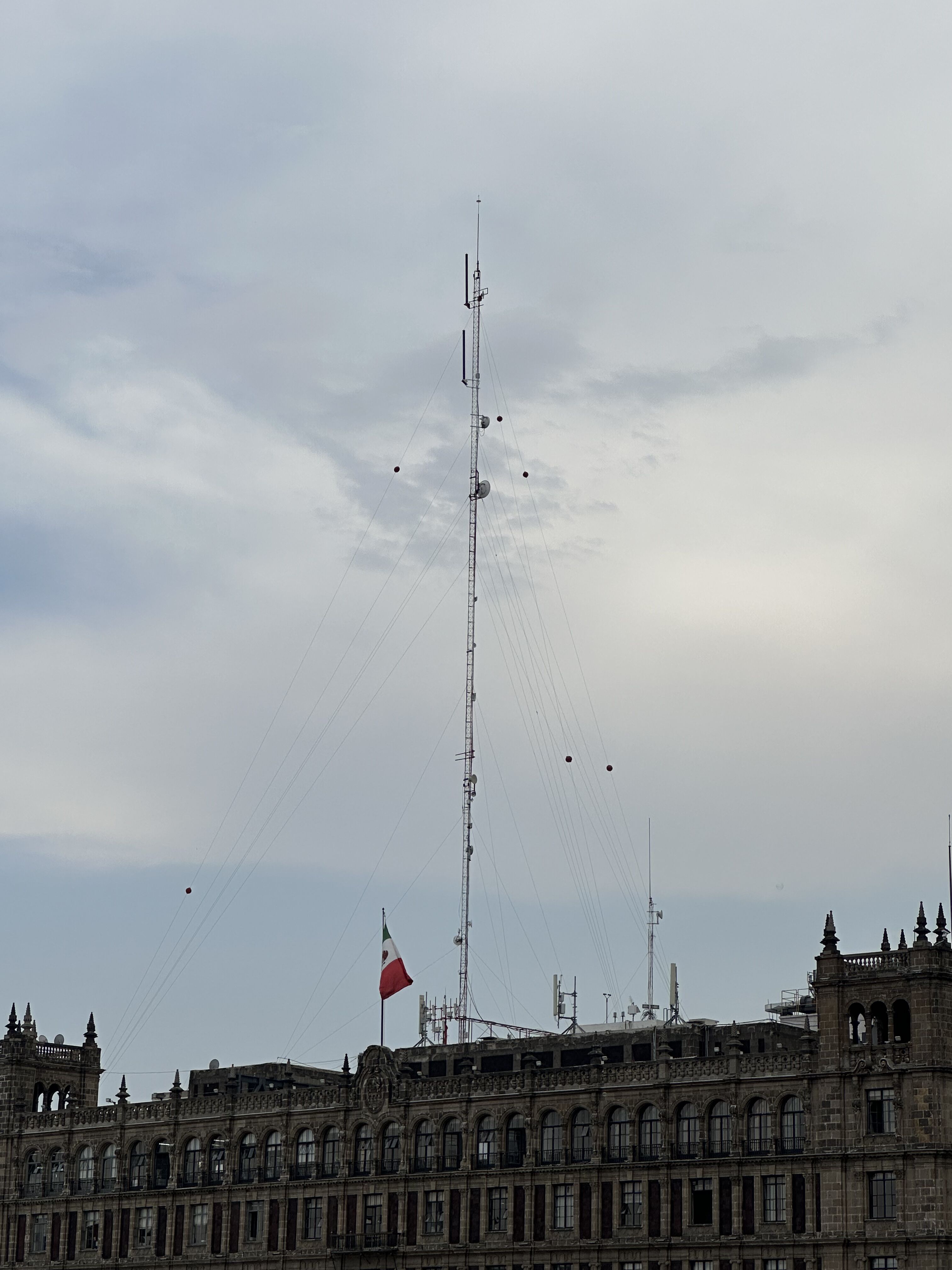
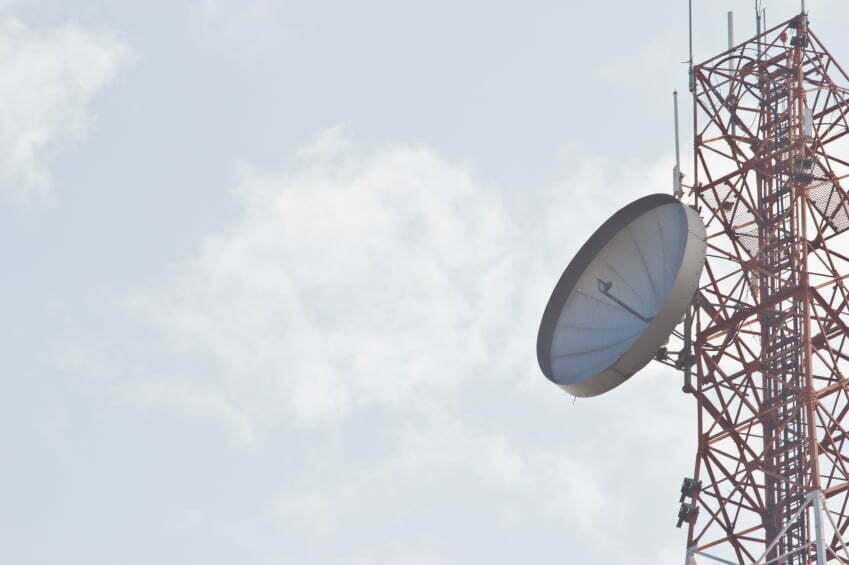
C. Guyed Tower- Guyed towers used to
be the cheapest tower to construct, but require the
greatest amount of land. For taller heights (300'
and greater) it is much cheaper to build a guyed tower.
Most radio and televion towers are guyed towers. A
guyed tower is a straight tower suppported by guy
wires to the ground which anchor the tower.

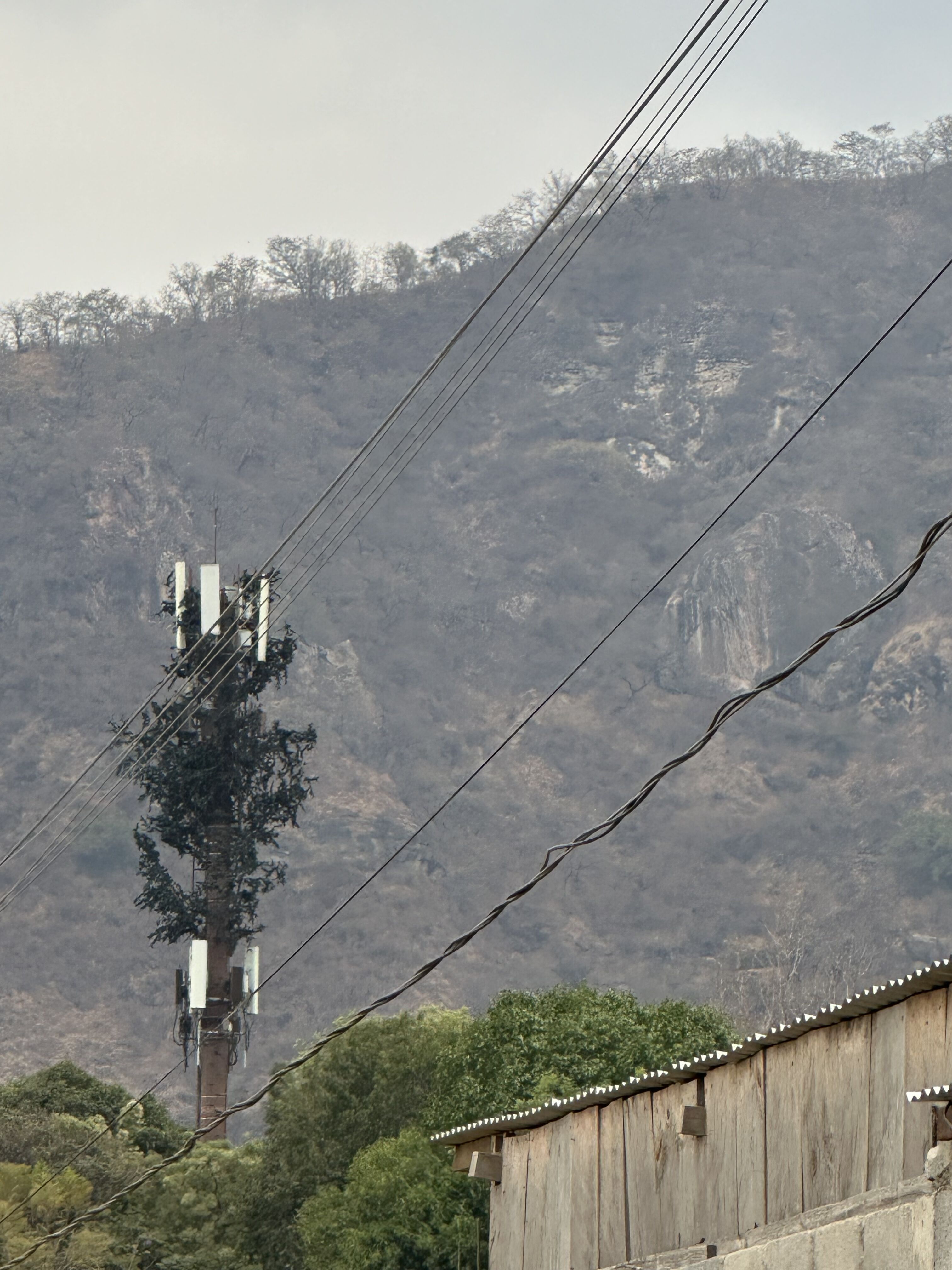
D. Stealth Tower- Stealth towers are
typically required by zoning. They are always more
expensive than the other types of towers. More often
than not they require additional material to "Stealth"
their appearance and typically don't provide the same
amount of capacity for tenants. Below is one of the
more interesting stealth towers we have seen located
at a church in California.

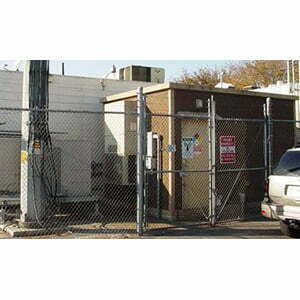
2. The Equipment- Each of the tenants
who mounts their antenna on the cell phone tower uses
transmitters installed in cabinets or in shelters. Different
wireless carriers use different means of protecting
their equipment. Many place outdoor cabinets on concrete
pads, while others use premanufactured equipment shelters.
This equipment is also called the "Base Transmitter
Station" or "BTS".

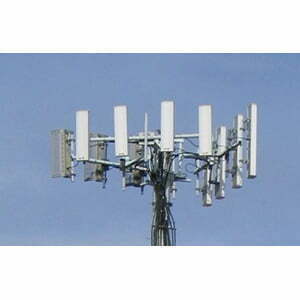
3. The Antennas- Each carrier will typically
use multiple antennas on the tower. Sometimes there
are as few as three antennas, sometimes as many as eightteen
antennas per carrier. As additional subscribers come
onto the carriers system the carriers need additional
antennas to handle the added capacity.

4. Utilities- Almost every cell phone
tower site has utilities installed at the site for use
by the carriers. Typically each carrier has power run
to the site as well as phone service. On some cell sites,
each carrier will use up to 10 T-1 lines. (See
T-1 line for more details)
As you can see, "cell tower"
refers to the actual tower structure. In rare cases,
there are actually towers installed on the top of roofs
which then in turn have antennas installed on them.
Most of the time, antennas are simply attached directly
to the roof either by roof mounts or platforms that
rest on top of the roof.
Please see our webpage on getting a cell
phone tower on your property.
Check here is you have been approached
to lease
your land for a cell phone tower.
If you are looking for information on
siting and building a tower- please see Building
A Cell Phone Tower.
|